














Choosing how to carry a camera is rarely about style alone. It changes how quickly you can work, how your shoulders feel after a long day and whether a second body is genuinely useful or simply in the way. The right choice depends on the number of cameras you carry, the pace of your work and the places where you photograph.
Camera strap or camera harness: start with the way you work
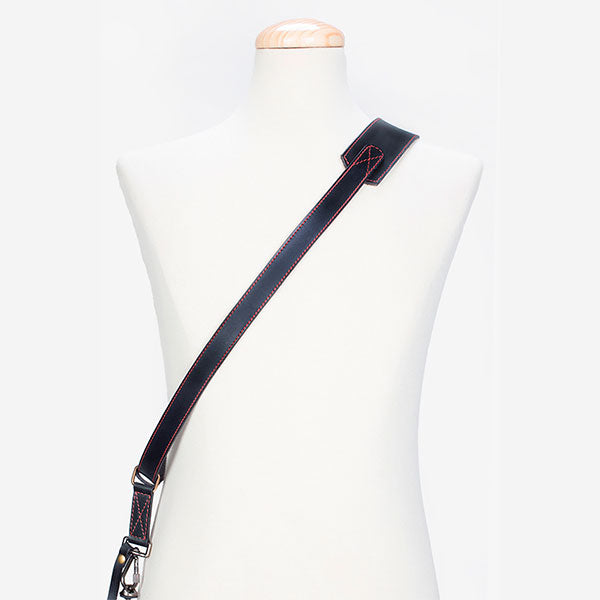
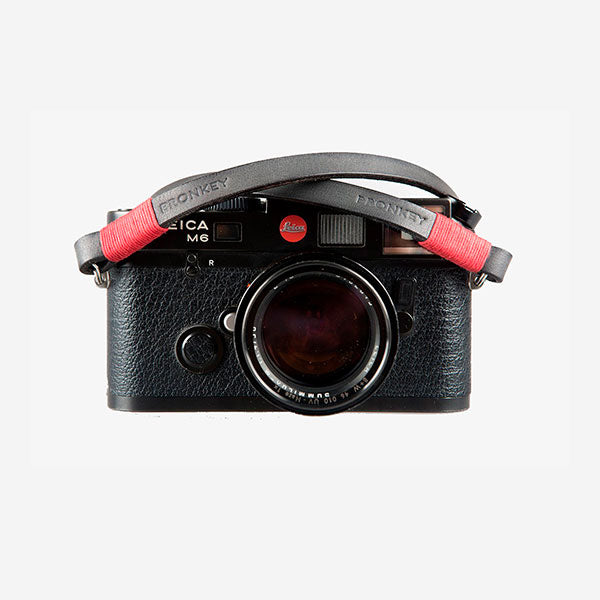
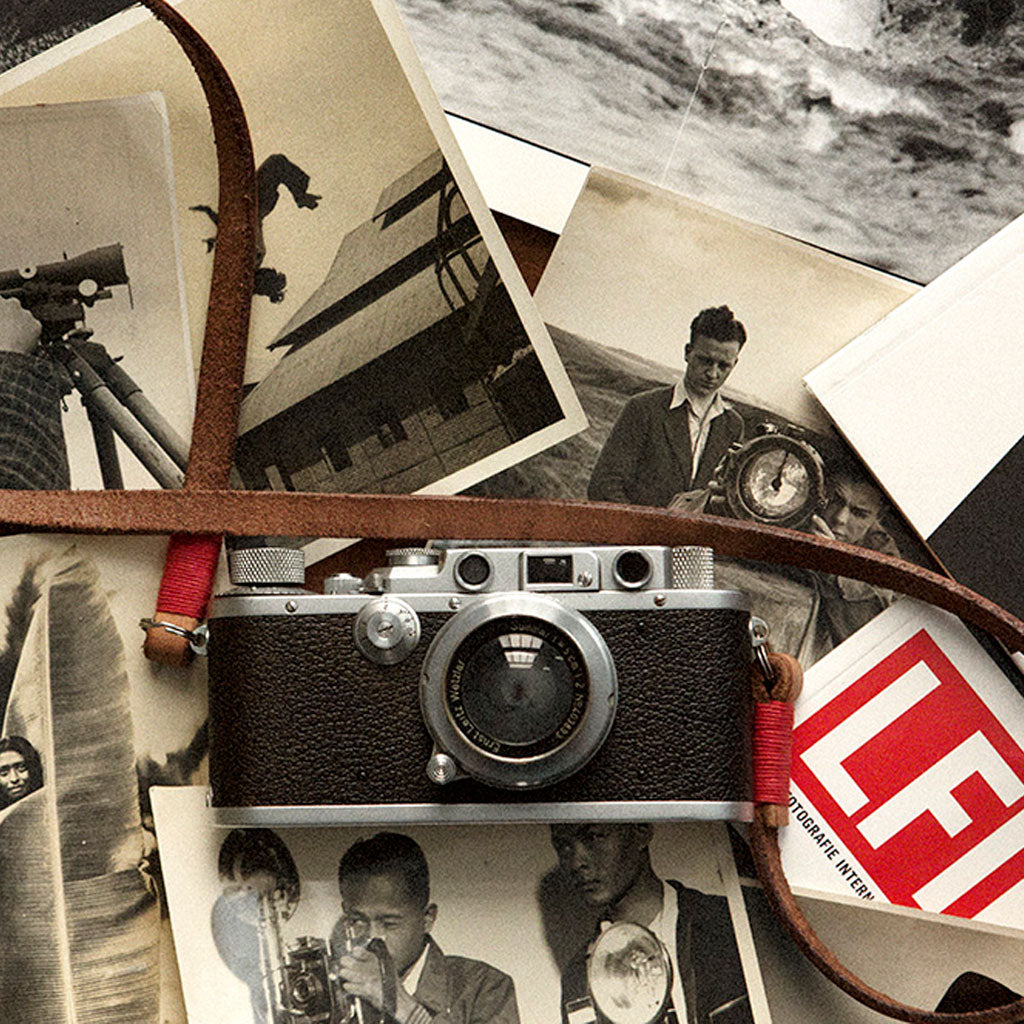
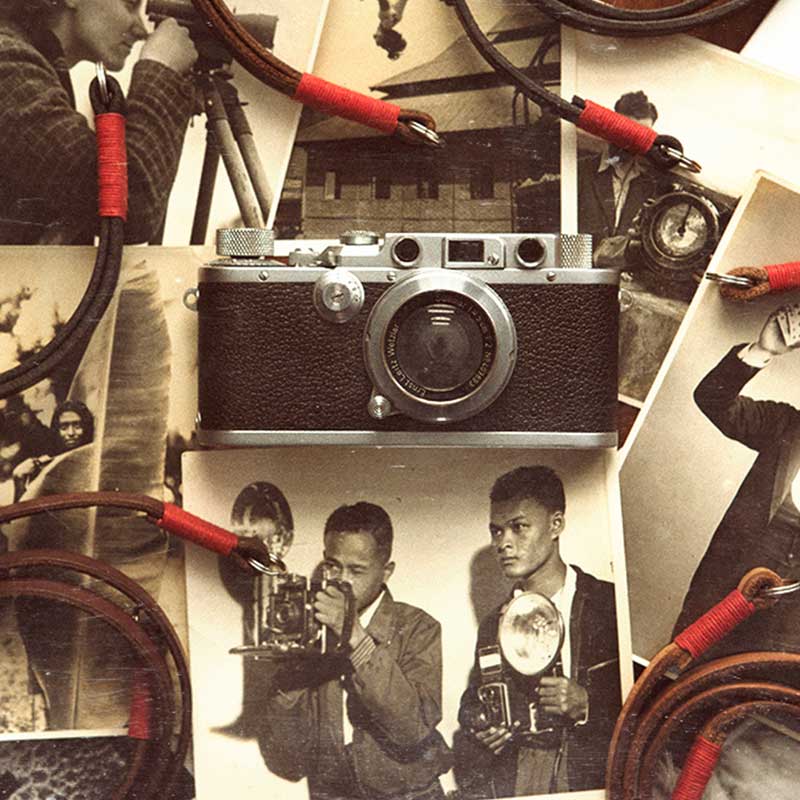
A leather camera strap is usually the most natural choice for one camera. It is light, quick to put on and easy to remove when you place the camera in a bag or on a tripod. For street photography, travel and everyday assignments, a single strap keeps the camera close without adding unnecessary equipment.
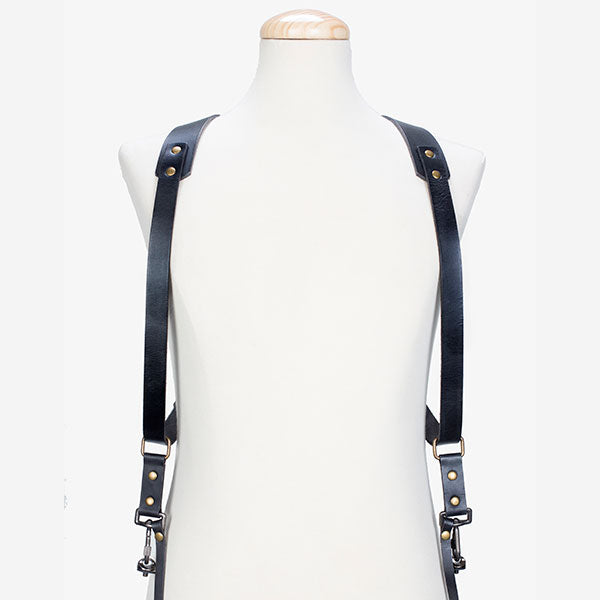
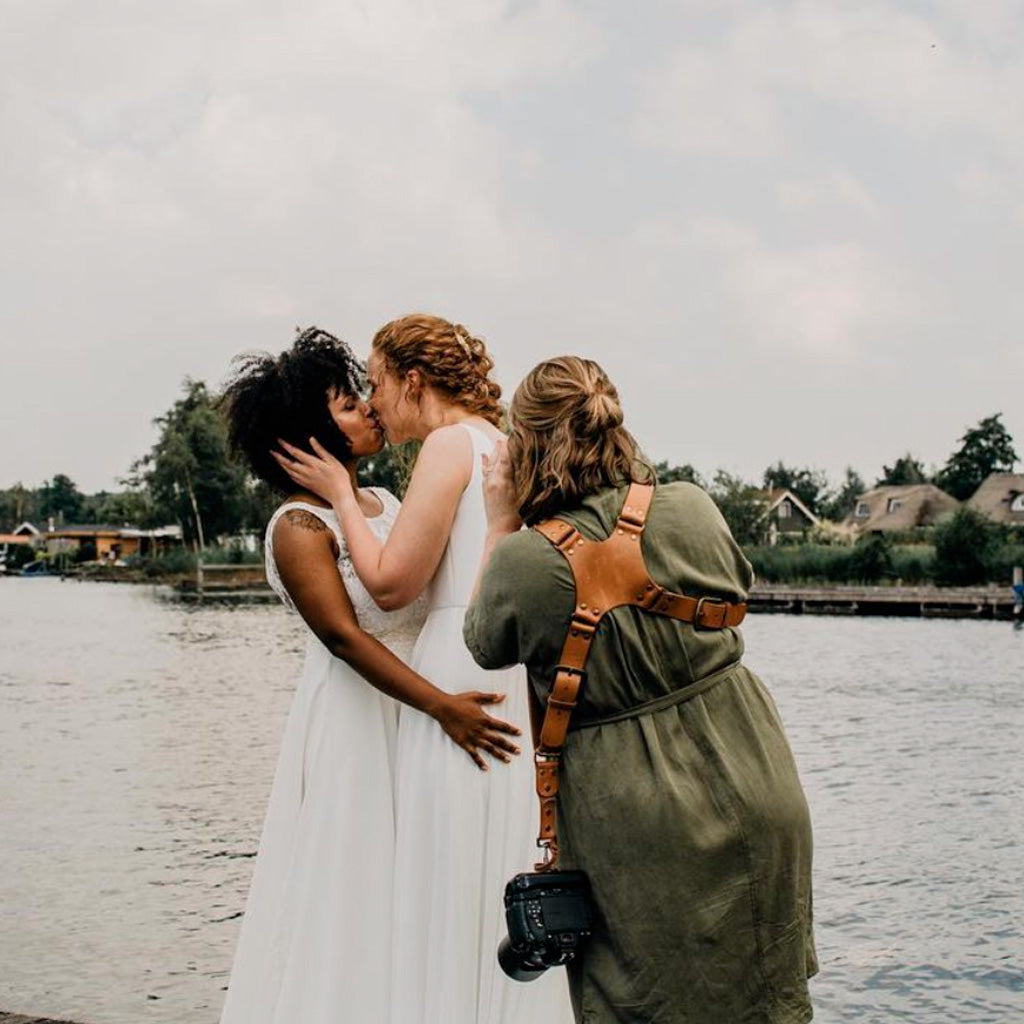
A harness becomes useful when carrying two cameras is part of the job. Wedding, event and documentary photographers often keep a wide-angle lens on one body and a portrait or telephoto lens on the other. Changing lenses less often can protect the flow of a moment. A good dual system places each camera where your hands can find it, rather than leaving weight concentrated at the neck.

When a camera strap is the better tool
Use a strap when you normally photograph with one body, move frequently or want the smallest possible carry setup. A neck or cross-body strap works especially well for mirrorless cameras, compact film cameras and a single professional body with a moderate lens. It is also the practical choice for travelling light: it takes little space in a bag and does not ask you to wear more than the situation needs.
What to look for in a strap
Comfort comes from the material, width and the way the strap sits on the shoulder. Leather gradually adapts to regular use and keeps a quieter, more natural feel than a heavily padded technical strap. Hardware matters too. A strap should have reliable attachment points and enough strength for the actual camera and lens combination you use.
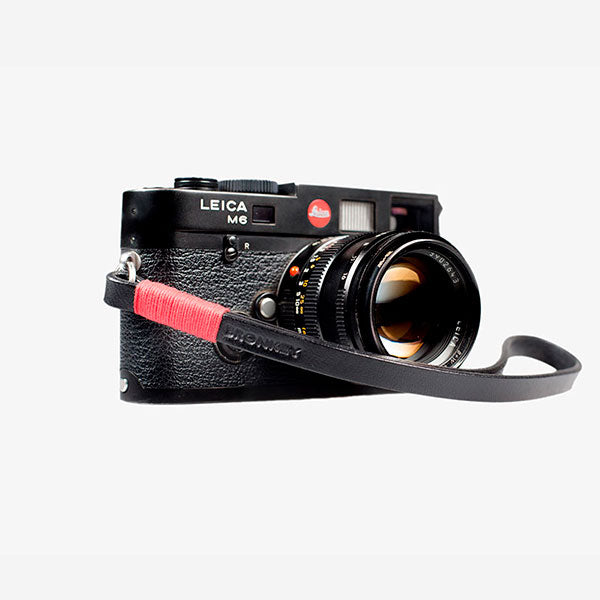
For a one-camera setup, the Tokyo #101 leather camera strap is a simple example of the approach: handmade leather, a discreet profile and a carry solution that does not dominate the camera.

When a harness earns its place
A harness is not automatically better because it carries more. It becomes the sensible option when access to two cameras saves time. During a wedding ceremony, an event entrance or a fast documentary situation, changing a lens can mean missing the frame. Two prepared bodies let you respond without interrupting the work.
The benefit is also physical. Two cameras hanging from separate neck straps tend to pull in one place and tangle when you bend or turn. A dual camera harness distributes the load across the shoulders and back, while keeping both bodies separated and ready. That is particularly valuable over a full day rather than during a short walk.
Compatibility and security
Bronkey harnesses use the standard 1/4”-20 tripod screw connection, so they work with most Sony, Fujifilm, Canon, Nikon, Leica and film camera bodies. As with every carrying system, check that the connection is firmly tightened before each session and choose the body-and-lens pairing you actually use, not only the camera body on its own.
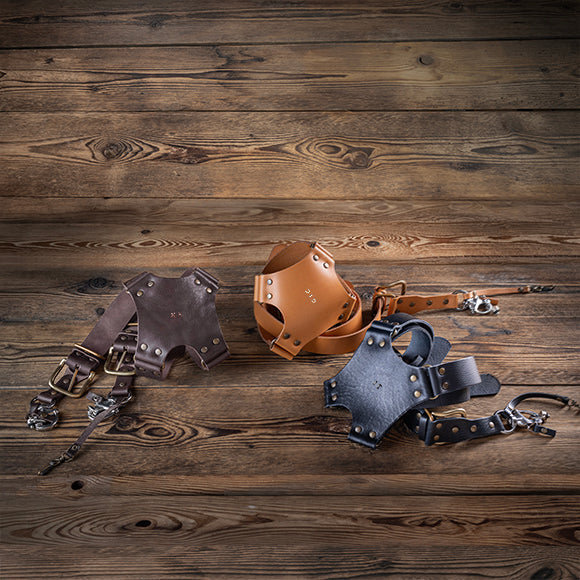
The Tokyo #703 dual leather camera strap is made for that two-body workflow. Its leather construction, reinforced attachment points and marine-grade 304 stainless steel hardware are intended for repeated professional use. It also arrives in a handmade wooden presentation box, which makes it a considered piece of working equipment rather than disposable accessory gear.
How to decide in two minutes
- One camera, travel or street work: choose a strap.
- One camera with a heavy lens: choose a wider strap and assess comfort after a full session.
- Two cameras at weddings, events or documentary assignments: choose a harness.
- Occasional second body: begin with a strap and move to a harness when two bodies become part of your normal workflow.
A carry system should disappear from your attention
The best system is the one you stop thinking about once you begin photographing. It should keep the camera accessible, protect your posture over time and suit the way you move through a real assignment. A harness is a professional tool for a specific two-camera need; a strap remains the most versatile option for most one-camera days.
If weddings are a regular part of your work, our guide to the best camera harness for wedding photographers explains how to build a practical two-body setup. Explore Bronkey’s handmade camera straps and harnesses when you want a carry system designed for years of use, not one season.
Frequently asked questions
Is a camera harness better than a strap?
It is better for carrying two cameras during long, fast-moving assignments. For one camera, a well-made strap is usually simpler and more comfortable.
Can I use a harness with mirrorless cameras?
Yes. The 1/4”-20 attachment system works with most mirrorless and DSLR cameras. Balance the setup according to the lens fitted to each body.
Are leather camera straps practical for professional work?
Yes, when they are properly made and matched to the equipment. Premium leather is durable, comfortable over time and suitable for regular professional use.



Leave a comment (all fields required)